


-

Add: HeBei ShengShi HongBang Cellulose Technology CO.,LTD.
-

Email
13180486930@163.com -

CONTACT US
+86 13180486930
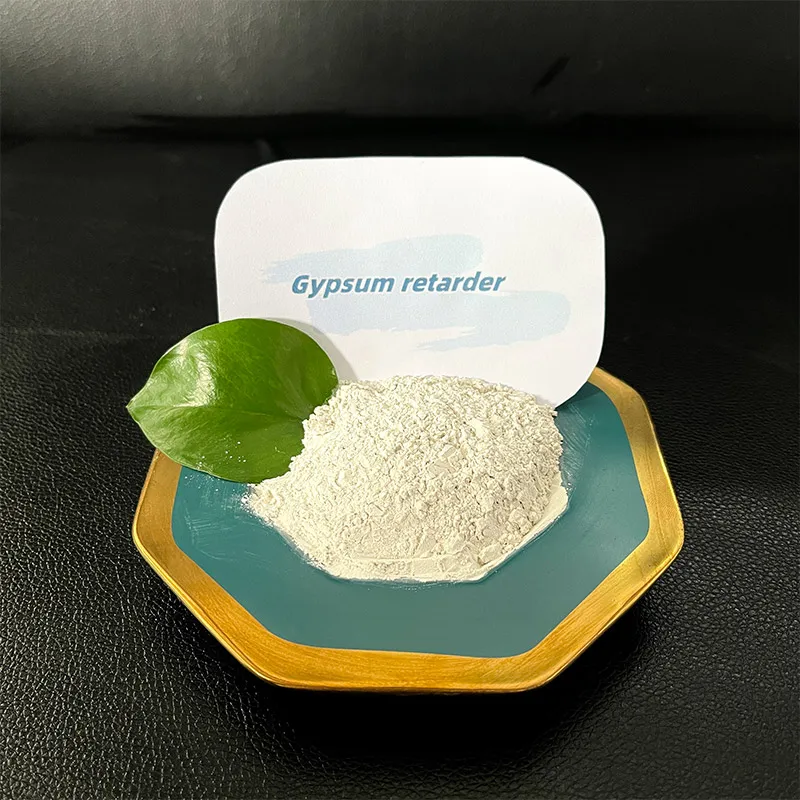
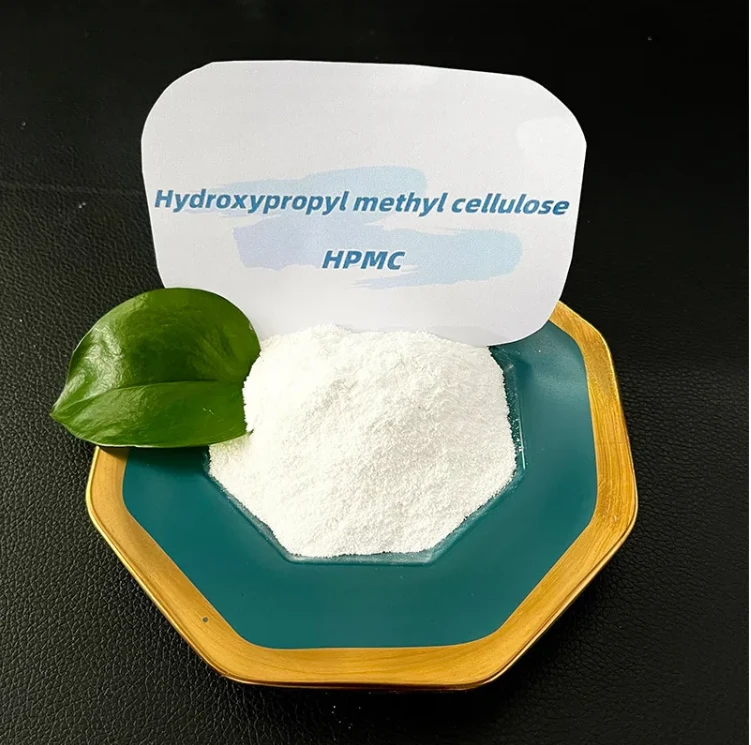


Метил гидрокси этил целлюлозын үнэ Метил гидрокси этил целлюлоз (MHEC) нь целлюлоз хосолмол бөгөөд уусдаг, вискозитийг сайжруулдаг, ус, шарж үүсгэх, холих зэрэг олон хэрэглээтэй, чухал химийн бодис юм. Энэ нь ихэвчлэн барилгын материал, будаг, хими, эм, хоол хүнс зэрэг олон салбарт хэрэглэгддэг. . Барилгын салбарт MHEC нь цементэн зуурмагийн үйлдвэрлэлд чухал үүрэг гүйцэтгэдэг. Энэ нь зуурмагийн шингэнийг сайжруулах, барилгын бүтээцийн бат бэхийг нэмэгдүүлэх зэрэгт нөлөөлдөг. Эдгээр шалтгааны улмаас хөрөнгө оруулалтын ханган нийлүүлэлт, барилгын бүтээгдэхүүний үнэ, барилгын ажлын хурд зэрэг хүчин зүйлсийн нөлөөгөөр MHEC-ийн зах зээлд шинжлэх ухаан, технологийн үсрэлт, мөнгөн хөрөнгө оруулалтын хэмжээ ихээхэн хамааралтай. سعر ميثيل هيدروكسي إيثيل السليلوز MHEC-ийн эрэлт нь барилгын салбар болон бусад салбарын хөгжлийн хурднаас хамааралтай. Хэдийгээр COVID-19-ийн тархалт дэлхийн эдийн засагт ихээхэн нөлөөлж байсан ч барилгын салбарын сэргэлт, шинэ төсөл, байшингийн барилга угсралтыг нэмэгдүүлэх гэх мэт хүчин зүйлс дэлхийн хэмжээнд MHEC-ийн эрэлт, үнэ өсөхөд нөлөөлж байна. Хоол хүнсний салбарт MHEC нь текстур, шингэний бүтэц, шингээлт зэргийг сайжруулах хүчтэй нэмэлт бодис гэж тооцогддог. Үүний зэрэгцээ, эмийн салбарт ч MHEC нь эмийн формула дахь шингэн, гелийн үндэс болгож хэрэглэгддэг бөгөөд үүнээс шалтгаалан MHEC-ийн чанар болон үнэ ханш нь тус салбарт чухал үүрэг гүйцэтгэдэг. MHEC-ийн зах зээлд үүсэж буй шинэ чиг хандлагууд нь байгальд ээлтэй, хэдийгээр үнэ нь өндөр боловч чанарыг нэмэгдүүлэх, хог хаягдлыг бууруулах талаар судалгаа, хөгжлийн ажилд чиглэгдэж байна. Иймд MHEC-ийг үйлдвэрлэхэд хэрэглэгдэх химийн бодисын орлуулах, экологийн зохистой хэрэглээ, био-суурь эдийн засгийн хүрээнд инновацийг бий болгох зэрэг хөгжлийн чиг хандлагыг ихээхэн анхаарах шаардлагатай болж байна. Эцэст нь, метил гидрокси этил целлюлозын үнэ нь зах зээлд маш олон хүчин зүйлээс хамаардаг бөгөөд энэ нь барилгын, эмийн, хоол хүнсний болон бусад салбарын хөгжилд нөлөөлдөг. Мөн энэ бүтээгдэхүүний хэрэглээ нь нийгэм, эдийн засгийн хөгжилд чухал үүрэг гүйцэтгэх мэдлэг, технологийн чанарыг шаарддаг. Тиймээс MHEC-ийн зах зээлийн нөхцөл байдал, хэрэглэгчдийн хэрэгцээнд дүгнэлт хийх, судалгаа хийх нь чухал юм.
- 40000tons

Production
- 20+years

Experience
- 5000+㎡

Acreage

-
Exploring the World of Fibers A Dive into Natural and Synthetic Choices In the ever-evolving landscape of textile manufacturing, fibers remain at the heart of innovation and design. Recognized for their versatility and integral role in fabric production, both natural and synthetic fibers present compelling choices that cater to diverse consumer needs. Understanding the distinctions between these fibers not only equips consumers with the knowledge to make informed purchasing decisions but also fosters appreciation for the nuanced craftsmanship intrinsic to textile production. Natural fibers, sourced from nature without excessive chemical processing, have been pivotal in human civilization for millennia. Cotton, linen, wool, and silk stand as quintessential examples. Cotton, revered for its breathability and softness, is a staple in garments and household items, offering comfort in every stitch. Linen, derived from the flax plant, provides remarkable strength and longevity, making it ideal for durable clothing and home textiles. Wool, sourced from sheep and other animals, boasts unequaled insulation properties, embodying warmth and resilience even in extreme conditions. Silk, the product of diligent silkworms, exemplifies luxury with its lustrous sheen and smooth texture. Each natural fiber contributes unique attributes—cotton's hypoallergenic qualities, linen's natural antibacterial features, wool’s moisture-wicking capability, and silk’s natural thermal regulation—establishing them as timeless choices in textile design. Beyond their physical properties, the environmental impact of natural fibers is a key consideration. They are biodegradable and often cultivated in sustainable farming systems, promoting an eco-friendly lifestyle that resonates with environmentally-conscious consumers. Parallel to the charm of natural fibers is the realm of synthetic fibers, products of human ingenuity and chemical synthesis. Polyester, nylon, acrylic , and spandex are emblematic figures in this category. Polyester dominates the textile market with its outstanding durability, wrinkle resistance, and affordability, making it ubiquitous in everything from everyday wear to industrial applications. Nylon, renowned for its strength and elasticity, is transformative in applications where robustness is paramount, such as active wear and specialized equipment. Acrylic provides the warmth and comfort akin to wool but at a fraction of the cost, catering to sectors where affordability meets necessity. Spandex, synonymous with stretch and flexibility, revolutionizes the fit and comfort of garments, especially in athletic and active wear. fibers natural and synthetic The allure of synthetic fibers lies in their adaptability and performance-enhancing characteristics. Advances in textile technology have minimized the tangible drawbacks of synthetic fibers, such as moisture retention and environmental impact, through innovations like moisture-wicking treatments and recyclable synthetics that mitigate ecological footprints. In the context of product selection and development, comprehending the synergistic potential of natural and synthetic fibers is instrumental. Blending these fibers can yield fabrics that encapsulate the strengths of both worlds, optimizing performance, comfort, and sustainability in a single product. For instance, a cotton-polyester blend can combine the softness and breathability of cotton with the durability and wrinkle resistance of polyester, catering to multifaceted consumer demands. To navigate the labyrinth of choices, it is essential for brands and manufacturers to align their offerings with consumer expectations focusing on Experience, Expertise, Authoritativeness, and Trustworthiness (EEAT). Communicating the tangible benefits and sustainable practices involved in fiber production can forge stronger bonds with consumers seeking transparency and accountability. Providing detailed insights into the provenance of natural fibers or the cutting-edge technologies behind synthetic fiber innovations enhances brand authority and fosters consumer trust. Navigating the intricate ecosystem where natural and synthetic fibers converge underscores the importance of informed choice. Equipped with a nuanced understanding of fiber characteristics, consumers are empowered to select products that not only meet their functional needs but also respect their personal values and environmental concerns.
-

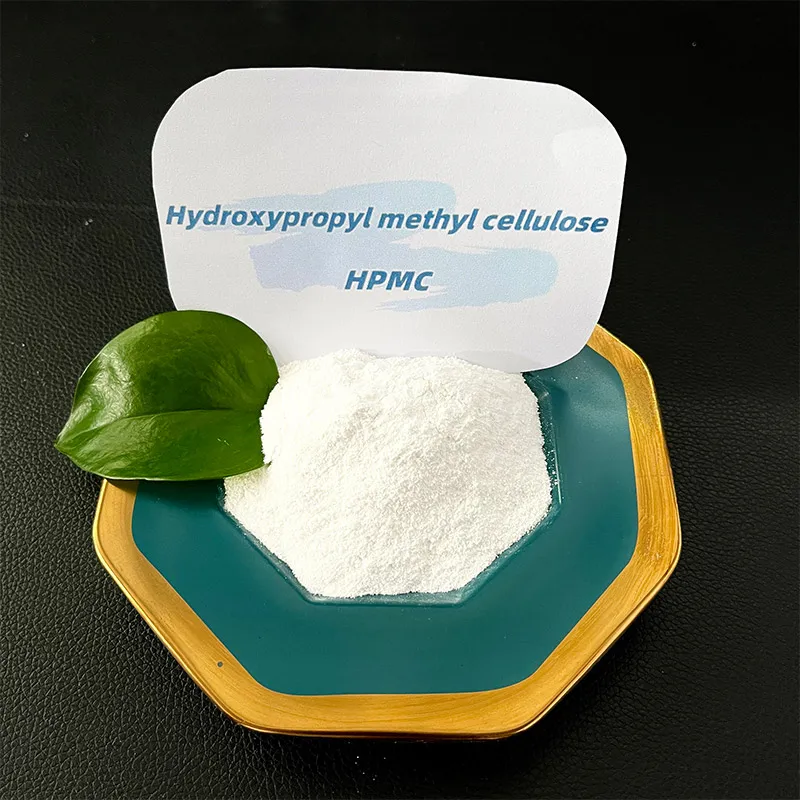
Hydroxypropyl methylcellulose (HPMC) is a versatile cellulose ether that has gained significant traction in various industries, particularly in construction. Its unique properties make it an essential additive in construction materials, enhancing performance and improving the overall quality of building products. This article explores the applications of HPMC in construction, highlighting its benefits and contributions to the industry. What is Hydroxypropyl Methylcellulose? HPMC is a non-ionic, water-soluble polymer derived from cellulose, a natural polymer found in plant cell walls. It is produced through the chemical modification of cellulose, resulting in a compound that exhibits excellent thickening, binding, and film-forming properties. HPMC is available in various grades, each tailored for specific applications, making it a highly adaptable material in construction. Applications of HPMC in Construction Cement-Based Products : One of the primary applications of HPMC in construction is in cement-based products such as mortars, plasters, and tile adhesives. HPMC acts as a thickening agent, improving the workability and consistency of these materials. It enhances the adhesion properties, allowing for better bonding between surfaces, which is crucial for the durability of structures. Water Retention : HPMC is known for its excellent water retention capabilities. In construction, this property is vital for preventing the premature drying of cementitious materials. By retaining moisture, HPMC ensures that the hydration process of cement continues effectively, leading to stronger and more durable concrete. This is particularly important in hot and dry climates where evaporation can compromise the integrity of the mix. Improved Open Time : The open time of a material refers to the period during which it remains workable after application. HPMC extends the open time of mortars and adhesives, allowing construction workers to adjust and reposition tiles or other materials without the risk of the adhesive setting too quickly. This flexibility is essential for achieving precise alignments and finishes in construction projects. Enhanced Flexibility and Strength : The incorporation of HPMC into construction materials can significantly enhance their flexibility and tensile strength. This is particularly beneficial in applications where materials are subjected to stress and movement, such as in flooring systems and wall panels. The improved flexibility helps to reduce the risk of cracking and other forms of damage, contributing to the longevity of the structure. Eco-Friendly Solutions : As the construction industry increasingly shifts towards sustainable practices, HPMC offers an eco-friendly alternative to traditional additives. Being derived from natural cellulose, HPMC is biodegradable and non-toxic, making it a safer choice for both workers and the environment. Its use in construction aligns with the growing demand for green building materials. Compatibility with Other Additives : HPMC is compatible with a wide range of other additives used in construction, such as polymers, pigments, and other cellulose derivatives. This compatibility allows for the formulation of customized products that meet specific performance requirements, making HPMC a valuable component in the development of innovative construction materials. The application of hydroxypropyl methylcellulose in construction is a testament to its versatility and effectiveness as an additive. From improving workability and water retention to enhancing flexibility and strength, HPMC plays a crucial role in the performance of various construction materials. As the industry continues to evolve, the demand for high-quality, sustainable building products will likely drive further innovations in the use of HPMC, solidifying its position as a key ingredient in modern construction practices.
advantages
-

200000 Viscosities
Excellent product
We can produce pure products up to 200,000 viscosities
-

40000 tons
High yield
We don’t stop production all year round, and the annual output can reach 40,000 tons
-

24 hours
Quality service
We provide 24-hours online reception service, welcome to consult at any time
———— Inquiry Form
Schedule A services
-
 buy_hpmc
Oct . 25, 2025
The Role of Starch Producers in the Ether Industry In the evolving landscape of modern industry, the -
 prix_de_la_fibre_de_polypropylene
Oct . 25, 2025
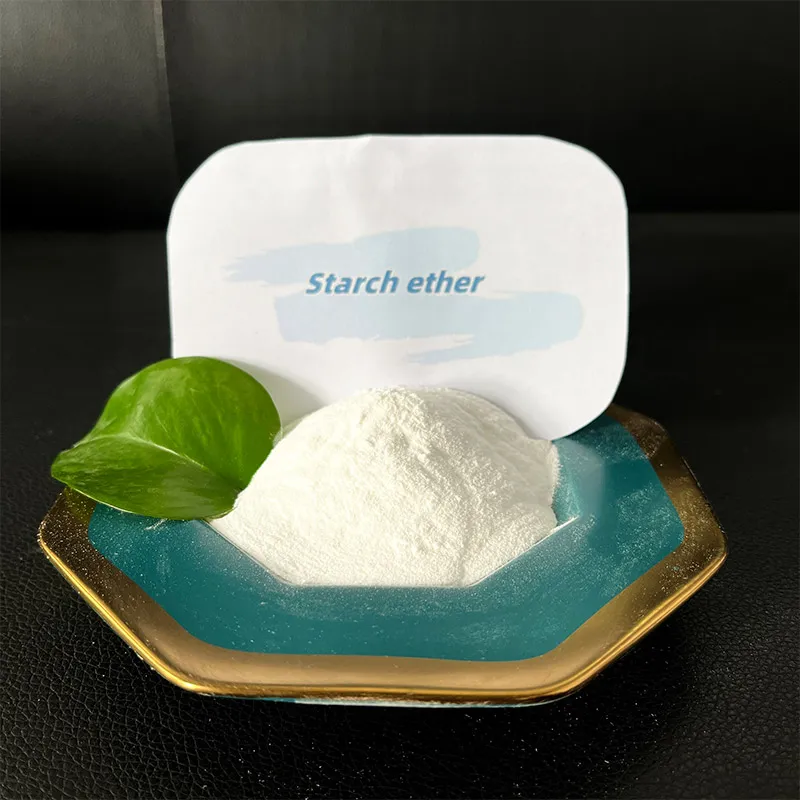
Acid-modified starch, an innovative alteration of native starch, has garnered attention for its uniq -
 hpmc_grades_viscosity
Oct . 25, 2025
In the construction industry, particularly in regions with extreme weather conditions, freeze-thaw r


